The Mechanics of Support
Many people assume support is meant to fix a problem. In reality, support is often used to provide comfort, confidence, or perceived stability during movement or long periods of activity. Support does not correct underlying structure. Many people use it during activity or long days. Comfort and confidence matter, especially as we age
Targeted Stabilization
High-density weave patterns reinforce tendons and ligaments at critical stress points, reducing oscillatory vibration during high-impact movement.
Circulation Boost
Graduated compression profiles facilitate venous return, accelerating the clearance of metabolic waste like lactate from the intramuscular environment.
Inherent Odor Control
Utilizing 88% copper-infused nylon solely for its natural antiodor properties.
Clinical Protocols

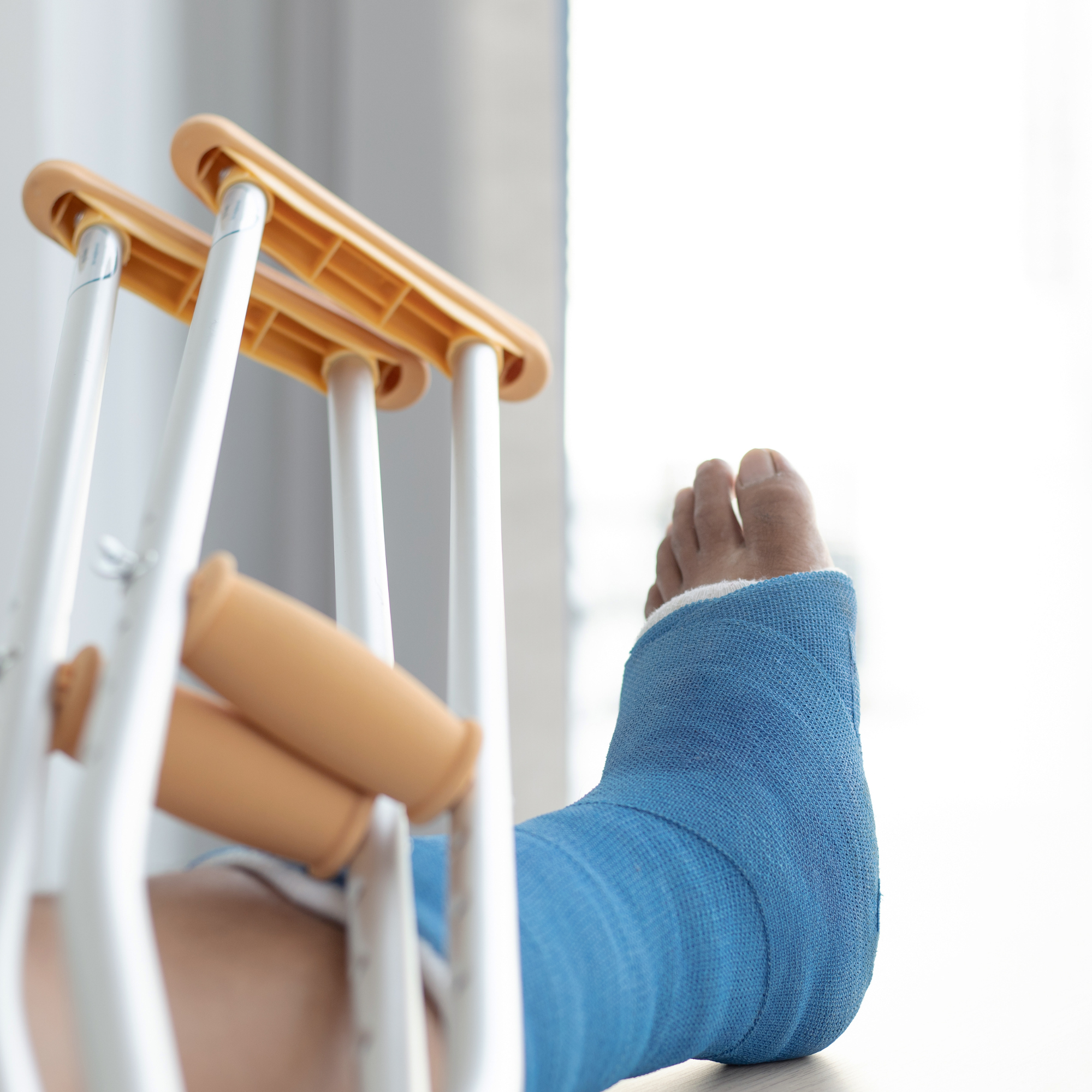
The Surgeon's Standard: Post-Operative Compression
The first two weeks after surgery are when swelling is at its peak. Your body is in an inflammatory state, and the priority is protection—not activity.
Read Full Article →
Compression & Achilles Tendonitis Or Plantar Fasciitis
Achilles tendonitis and plantar fasciitis are two of the most common causes of foot and heel pain—and they’re more connected than most people realize.
Access Full Article →Common Questions
Direct answers to the most frequently consulted clinical topics regarding compression therapy.
Does Wearing support make joints weaker?
No. Many people use support temporarily or situationally without dependency.
Is compression support only for injuries?
No. Support is commonly used for comfort during activity or fatigue.
How often should I replace the sleeve?
For optimal clinical performance, we recommend replacement every 4-6 months of daily use to ensure the elastane fibers maintain their specific mmHg rating.
When to Seek
Professional Care
Compression is a support tool, not a substitute for medical diagnosis. Please escalate to a licensed orthopedic professional if you experience:
-
warning
Acute Joint Instability
Inability to bear weight or a "locking" sensation in the joint.
-
warning
Localized High Heat
Significant warmth or redness that does not dissipate with rest.
-
warning
Nerve Impingement Symptoms
Persistent numbness or shooting electrical pains down the limb.
Physiological Relief Gauge
Metric based on internal fluid displacement and stabilization testing protocols.